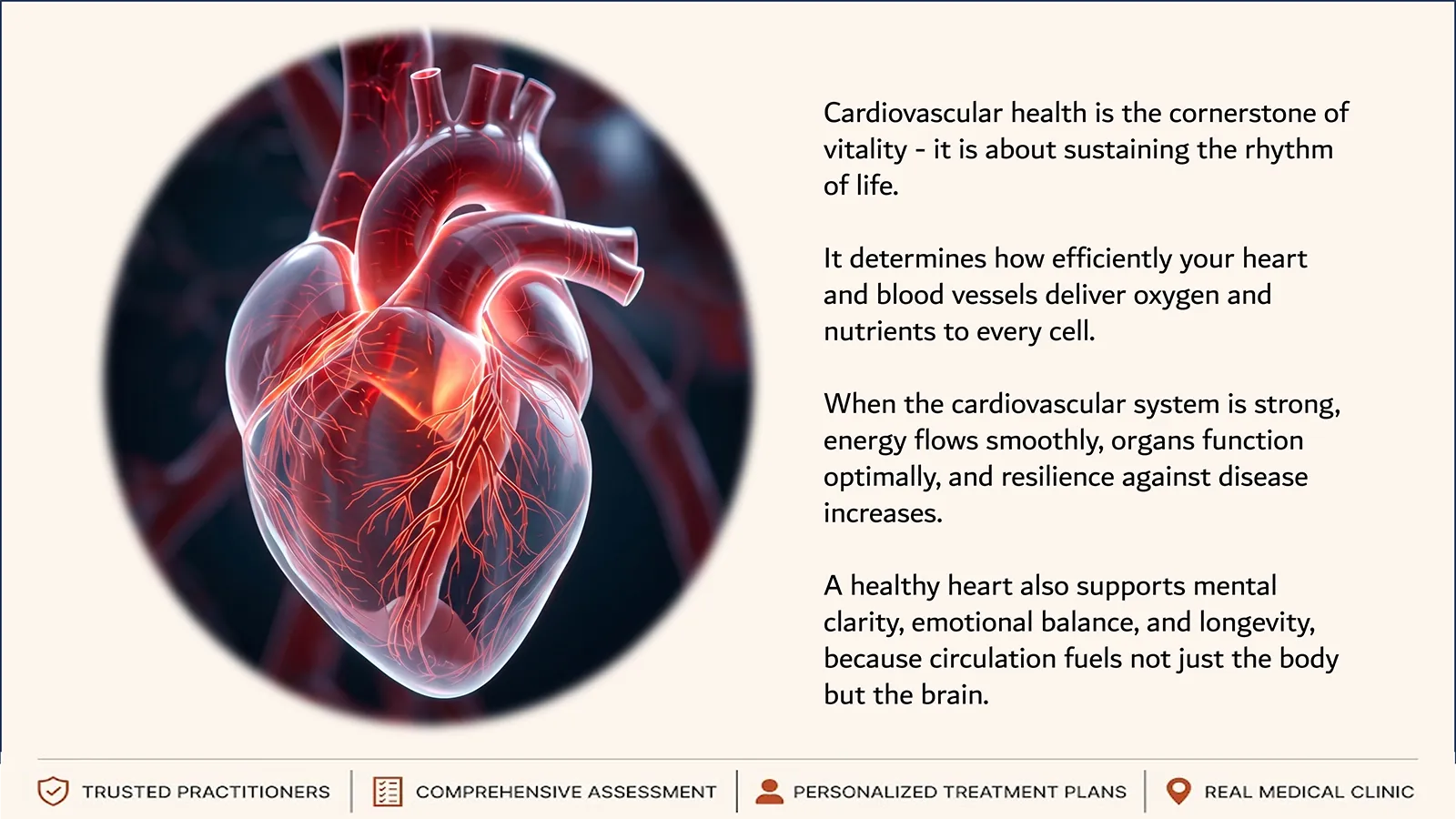
What "heart disease" covers
The term refers to several types of heart condition, also called cardiovascular disease — disease of the heart and blood vessels. It includes arrhythmia (rhythm abnormality), atherosclerosis (hardening of the arteries), cardiomyopathy, congenital defects, coronary artery disease from plaque build-up, and heart attack.
A woman's symptoms of heart disease are often different from a man's — subtler fatigue, breathlessness or nausea rather than crushing chest pain — an important reason not to dismiss atypical signs.
Why the risk is rising, and younger
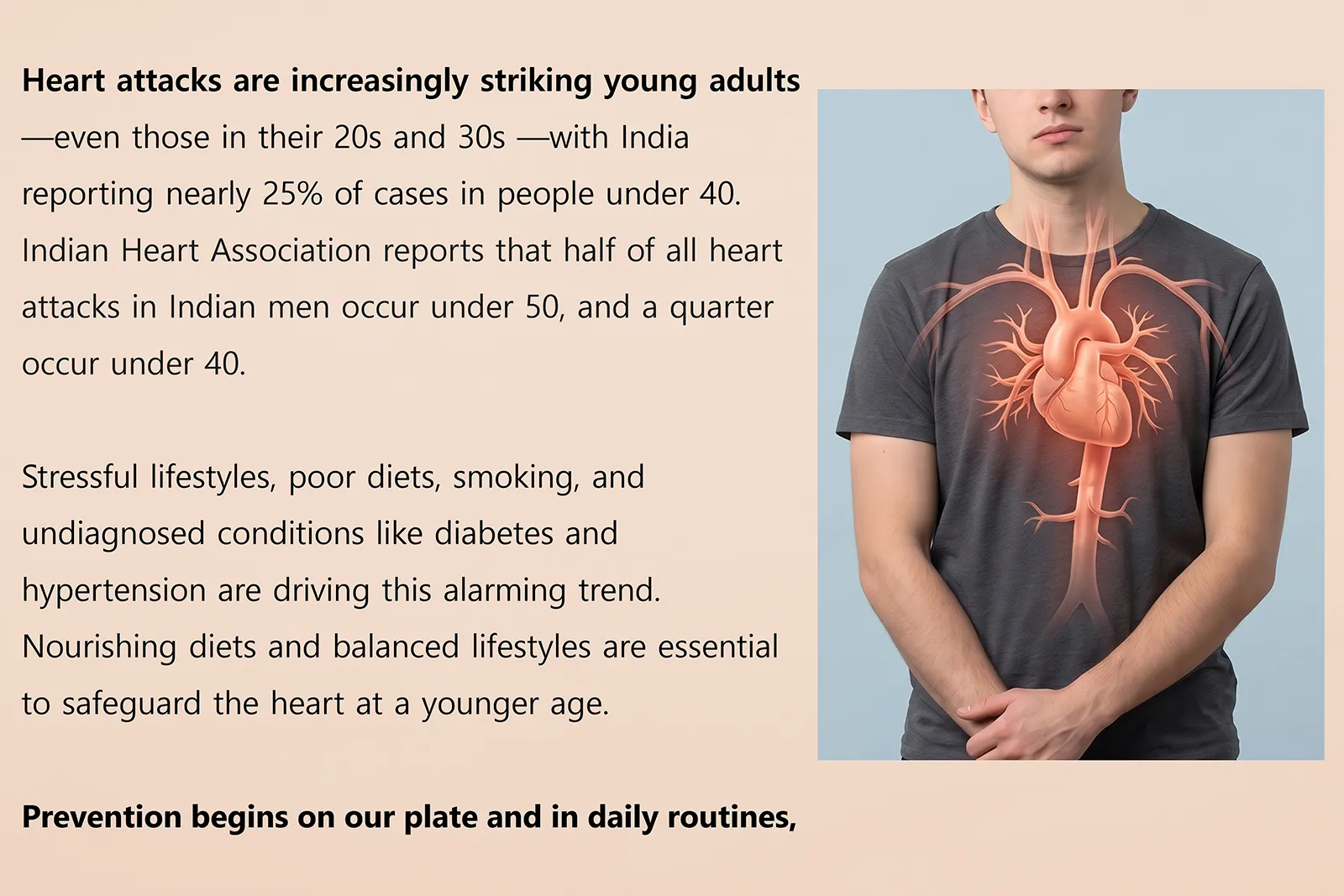
Indians are already at higher risk of heart attacks, and at a younger age, because of dietary habits, a high prevalence of diabetes, hypertension and dyslipidemia, genetic factors, rising obesity, sedentary lifestyles and smoking. We now see heart attacks in young, seemingly fit people — at the gym, at weddings, on the dance floor.
The modern lifestyle is quietly cardiotoxic: ultra-processed food, relentless stress, poor sleep and too little movement inflame the arteries year after year. Since COVID-19 there has also been a rise in arrhythmias, myocardial infarction, hypertension and heart failure, sometimes with no previous history of heart disease.
What actually causes it — beyond cholesterol
Of many factors, the commonest is endothelial dysfunction. The endothelium is the single innermost layer of every blood vessel; it controls blood fluidity, platelet aggregation and vascular tone, and plays a major role in immunity, inflammation and metabolism. Many COVID-19 deaths, and many sudden deaths in the young, are linked to it.
Crucially, it is rampant, low-grade inflammation that damages the endothelium and drives heart attacks — not high cholesterol alone. This is why some people with "normal" cholesterol still suffer heart attacks, and why real prevention means cooling inflammation at its source, not merely chasing a single number.
How a heart attack actually happens
Atherosclerosis is where fatty plaques develop in the arteries. Inflammation deposits fat molecules and immune cells, which build up into a plaque; over time the arteries narrow and harden, so less blood gets through.
The danger is that inflammation can make a plaque suddenly burst, blocking blood flow entirely — a heart attack, or, in the arteries supplying the brain, a stroke. Alarmingly, the plaques that rupture are often not the largest ones, which is why a heart attack can strike someone with no warning symptoms at all.
The good news — most of it is preventable
Heart disease can be deadly, but in most people it is preventable, and the body is remarkably willing to heal when the causes are removed. A healthy lifestyle — especially started young — genuinely reverses risk: it can lower blood pressure and cholesterol, steady blood sugar, calm inflammation and even help stabilise existing plaque.
The strategy is to prevent inflammation, atherosclerosis and endothelial dysfunction from taking hold, and to control the risk factors — high blood pressure, high cholesterol, excess weight, diabetes and smoking. The sooner you begin, the more you protect; and the right nutrients, at the right time, in the right ratio, are the foundation of that protection.
The heart in Ayurveda
The Vedic sciences of Ayurveda, Yoga and Tantra all view the heart as a critically important energetic hub, where many physical and energetic pathways intersect. It is an important seat of Vata, Pitta and Kapha, and of Ojas — the subtle essence of vitality, strength and immunity — and it helps prana flow through the body.
Ayurvedic texts describe the heart as intimately connected to every cell and tissue through the channels (Srotasa). No other organ shares that level of integration — which means the heart both affects, and is affected by, every channel in the body, and caring for it well nourishes the whole.
How we help you protect it
We combine modern cardiac risk assessment with Ayurvedic understanding to see the whole picture — your blood work, blood pressure, lifestyle, stress and diet — and find the real drivers behind your risk, not just the numbers on a report. From there we build a personalised plan of heart-protective diet, gentle daily lifestyle change and well-chosen herbs.
The aim is practical and lasting: to calm inflammation, protect the endothelium, steady cholesterol and blood pressure, and rebuild cardiovascular resilience — so you can live with energy and confidence rather than fear. This is care that works alongside your cardiologist, never in place of prescribed treatment.
We identify what changes and support you need — a thorough assessment of your health status, lifestyle modification, the best dietary options for positive outcomes, and supportive herbs to address risk factors, calm inflammation, improve cardiovascular function and help you recover faster. We work alongside your treating doctors and will never ask you to stop a prescribed medicine on our advice alone.
We work alongside your treating physician — and will never ask you to stop a prescribed medicine on our advice alone. Herbs are medicine, not daily food; what suits one person may not suit another.